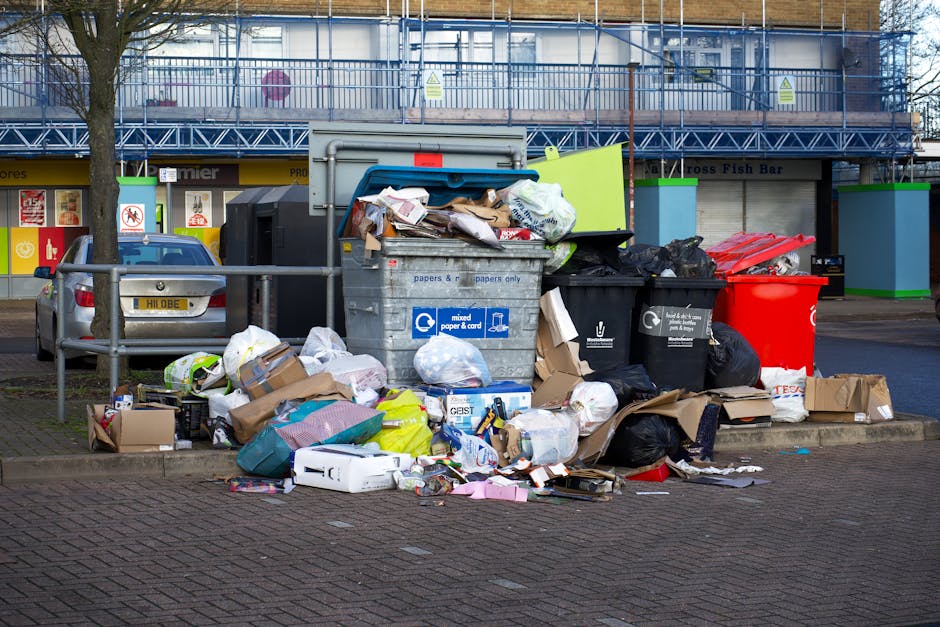
Fast rubbish removal from North Greenwich station to Deptford
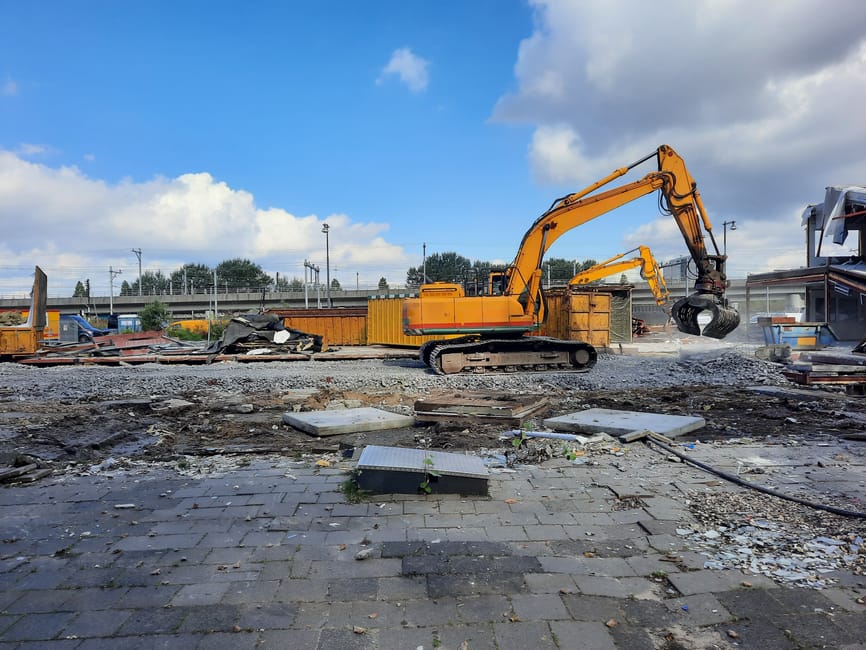
If you need fast rubbish removal from North Greenwich station to Deptford, you probably do not need a lecture. You need the space cleared, the mess gone, and the job done without a dozen awkward phone calls. Maybe it is builders' waste after a tight turnaround, a flat full of bulky items, or a business clear-out that cannot drift into next week. Whatever the reason, speed matters. So does getting it done properly, without creating a bigger headache later.
This guide breaks down how rapid rubbish removal works across this London corridor, what to expect, who it suits, and how to avoid the common traps that slow everything down. We will also cover practical compliance points, useful service options, and a few real-world tips that can save time on the day. Simple, useful, no fluff.
Why fast rubbish removal from North Greenwich station to Deptford matters
On paper, rubbish is just rubbish. In reality, it blocks hallways, slows trades, creates safety risks, and makes a property feel instantly more stressful. Between North Greenwich station and Deptford, you are dealing with busy roads, mixed residential and commercial streets, flats with awkward access, and jobs that often need tidy timing. If you have ever tried to move a broken sofa down a narrow stairwell while someone in the hallway is waiting to leave, you will know the feeling. Not ideal.
Fast removal matters most when the waste is:
- getting in the way of works starting or finishing on time
- creating a hazard in shared spaces, corridors, or loading areas
- spoiling the look and usability of a home or business
- causing complaints from neighbours, landlords, or site managers
- likely to become more awkward or expensive if left too long
There is also the simple practical issue of timing. In London, a missed slot can mean a whole chain of delays. A builder cannot finish. A landlord cannot hand back keys. A shop cannot open with confidence. And if waste sits around too long, it tends to multiply, which is a very annoying trick clutter has.
Expert summary: Fast rubbish removal is not only about speed. It is about choosing the right method for access, volume, waste type, and timing so the job is completed quickly without avoidable rework.
That is why the best approach is usually the one that matches the site, not just the one that sounds quickest on the phone.
How fast rubbish removal from North Greenwich station to Deptford works
The process is usually straightforward, but the details matter. A good provider will ask what you need removed, where the waste is located, how much there is, and whether there are access issues such as stairs, parking, lifts, or a narrow rear passage. That initial bit of information is what keeps things moving smoothly later.
In practice, fast rubbish removal normally follows a simple pattern:
- Quick assessment - you describe the waste, location, and timing.
- Service match - the right method is chosen, such as man and van, skip hire, wait-and-load, or grab hire.
- Arrival and loading - waste is collected, sorted, and safely loaded.
- Transport and disposal - items are taken to the appropriate facility or transfer point.
- Sorting and recycling - reusable or recyclable materials are separated where possible.
For a clear understanding of the collection side, many readers also look at rubbish removal options and, where speed is everything, same-day skip hire. If you are dealing with bulky furniture, mixed household waste, or a quick one-off clear-out, those services can be a sensible fit.
The route from North Greenwich to Deptford is not really the issue in itself. The real challenge is access, timing, and waste type. A straightforward office clearance at ground level is one thing. A third-floor flat with no lift and a tight parking window is another thing entirely. Different job, different method.
That is why experienced teams tend to ask slightly more questions than you expect. They are not being nosy for fun. They are trying to stop a 20-minute job turning into a two-hour faff.
Key benefits and practical advantages
Fast rubbish removal is attractive for obvious reasons, but the less obvious benefits are often the ones people remember afterwards. When the waste disappears quickly, the rest of the job usually settles down too.
- Less disruption: fewer blocked walkways, less noise, and less waiting around.
- Faster project progress: builders, decorators, cleaners, or movers can get on with the next stage.
- Better presentation: useful for rentals, sales viewings, or customer-facing spaces.
- Reduced stress: no one likes living or working beside a growing pile of waste.
- More flexible handling: suitable for bulky items, mixed waste, and short-notice jobs.
- Potentially better sorting: a good operator can separate recyclables more efficiently than ad hoc dumping.
There is also a genuine time-saving angle for people who would otherwise spend a Saturday renting a van, lifting awkward items, queuing at disposal facilities, and making three tea breaks out of one task. Truth be told, most people would rather do almost anything else.
For households, fast removal helps restore normal life faster. For businesses, it keeps the operation tidy and professional. For contractors, it keeps the programme moving. Different pressure, same goal: clear the space and keep life moving.
If you are looking at waste that may include a mattress, sofa, fridge, or appliance, specialist handling can make the day much easier. Services such as mattress and sofa disposal and fridge and appliance removal are especially useful when the item is heavy, awkward, or difficult to move safely.
Who this is for and when it makes sense
Fast rubbish removal is not only for big commercial clearances. In fact, it often makes the most sense on smaller jobs where timing is tight and access is messy. You do not need a mountain of waste before speed becomes worthwhile.
This service is a strong fit for:
- homeowners clearing bulky household items
- renters moving out and needing a quick tidy-up
- landlords between tenancies
- letting agents arranging end-of-tenancy clearance
- builders and trades working to a short deadline
- shops, offices, and hospitality premises with back-of-house clutter
- property managers dealing with abandoned items or post-refurb waste
It also makes sense if the waste is the kind of thing that becomes a nuisance quickly. Cardboard from deliveries, garden waste after a cut-back, or a pile of mixed rubble near a doorway can all go from "a bit untidy" to "we really should deal with this today" in no time.
There are times when another service may be a better fit. For example, if you have room on site and want waste collected later, a skip may be sensible. If the access is excellent and the load can be lifted directly, man and van clearance may work well. If you need to clear a lot of loose waste from a hard-to-reach area, grab hire or muck away may be the more efficient route. Matching the method to the job is where the savings usually are.
Step-by-step guidance
If you want a smooth experience, a little preparation goes a long way. The job is usually easier than people fear, but only if the basics are sorted first.
1. Identify what needs removing
Start with the obvious question: what is actually going? Separate bulky items, bagged waste, construction debris, and anything potentially hazardous. A quick walk-through usually reveals more than expected. That forgotten pile behind the door? Yes, that too.
2. Estimate the volume honestly
Try not to understate the amount. A small pile can become a full van load once it is broken down. If you are unsure, take photos from different angles. Good photos reduce back-and-forth and help the provider suggest the right vehicle or method.
3. Check access
Ask yourself:
- Is parking available near the property?
- Are there stairs, lifts, or narrow corridors?
- Will the waste need carrying through a shared entrance?
- Can a larger vehicle get close enough for efficient loading?
Those details affect timing more than most people realise. A short path from the property to the vehicle can save a lot of money and stress.
4. Choose the right service model
For quick turnarounds, common options include wait-and-load, man and van, grab hire, and fast skip delivery. Each has strengths. Wait-and-load suits short parking windows. Man and van suits mixed waste and lifting. Grab hire is useful for larger loose loads. Skip hire works well when the waste will build up over a day or two.
5. Prepare the waste for collection
Bag lighter waste, keep items dry where possible, and separate anything that should not be mixed in with general rubbish. If you can flatten cardboard or stack similar items together, that helps. Nobody enjoys playing waste Jenga in the rain.
6. Confirm timing and loading plan
Before collection, confirm the arrival window, who will be present, and which items are included. It sounds basic, but basic is often what keeps things fast. A two-minute call can prevent a twenty-minute delay.
7. Make sure the handover is tidy
After loading, check the area for missed bits, nails, screws, or loose debris. It is a small step, but on a driveway, shared path, or forecourt, it makes a real difference.
Expert tips for better results
Little habits make fast rubbish removal even faster. Here are the sort of details that experienced crews quietly appreciate.
- Group similar waste together so loading is more efficient.
- Keep walkways clear before the team arrives.
- Photograph the waste if you are collecting quotes remotely.
- Disassemble bulky furniture only if it is safe and practical.
- Label anything unusual so nobody guesses wrong on the day.
- Tell the team about parking restrictions before they arrive, not after.
If your job includes loose construction waste, consider whether a dedicated service such as construction waste disposal or builders' waste removal is more appropriate. The right category can speed things up because the load is handled with the correct equipment and disposal route from the start.
A small but useful point: if you are dealing with a mixed property clearance, keep valuables, documents, and personal items separate before the removal team turns up. It sounds obvious. Yet on busy days, obvious things have a habit of getting buried under pressure.
Another one: if you need the work done on the same day, say so early. Same-day jobs are often possible, but they are easier to arrange when the time pressure is clear from the outset.
Common mistakes to avoid
Most delays come from predictable mistakes. Luckily, they are easy enough to avoid once you know what to look for.
- Assuming all waste is the same: it is not. Builders' rubble, white goods, and general rubbish often need different handling.
- Leaving it until the last minute: if access is tight, waiting makes the whole job harder.
- Not checking parking or loading space: a perfect quote means very little if the vehicle cannot stop near the property.
- Mixing restricted waste with general loads: this can create issues with disposal and pricing.
- Overfilling a planned collection: a little extra waste can turn into a second visit.
- Forgetting neighbour or building rules: shared entrances and timed loading bays can complicate things quickly.
Another common one is people underestimating how awkward bulky items can be. A wardrobe that looked manageable in the room may become a different beast once it hits the staircase. It happens all the time. No drama, just physics.
If you are working from a flat, office, or managed building, check any house rules early. A small oversight there can mean wasted time on the day, and nobody wants that.
Tools, resources and recommendations
You do not need specialist equipment to prepare well, but a few simple tools can make the process smoother. Nothing fancy. Just practical bits that save time and reduce hassle.
- Heavy-duty bin bags for light mixed rubbish
- Gloves for basic handling and sorting
- Dust sheets if you are clearing from a clean interior space
- Step stool or screwdriver for taking apart simple furniture safely
- Phone camera for photos and site reference
- Marker pen and tape to label items that are staying
From a service perspective, it helps to compare removal options rather than booking the first thing that appears. For example, man and van can be ideal for mixed household waste, while grab hire services may suit larger loose loads or site waste that needs efficient collection. If your project is bigger and ongoing, skip hire or builders' skip hire could be the more sensible route.
For readers comparing costs and formats, it is often useful to look at skip sizes and prices and the practical guidance in what can go in a skip. That helps you avoid paying for more capacity than you need, or putting the wrong material into the wrong container.
If you are not sure whether your waste can be recycled, a good provider should explain the likely split and how items are sorted. You do not need to become a waste expert overnight. Just enough understanding to make a decent decision. That is usually plenty.
Law, compliance, standards, or best practice
For rubbish removal in the UK, the main thing is to use a responsible operator and avoid fly-tipping risks. Waste should be collected, transported, and handled in a way that is legal and traceable. You do not want your old waste becoming someone else's problem in the wrong place.
Good practice normally includes:
- clear identification of the waste type before collection
- safe lifting and loading methods
- appropriate handling of restricted or hazardous items
- use of suitable disposal or recycling routes
- care around access, property damage, and public areas
If you are dealing with items that may contain hazardous components, such as certain fridges, chemicals, paints, batteries, or contaminated materials, it is better to flag them early. Services such as hazardous waste disposal exist for a reason. Mixing those items into a standard load is not a clever shortcut. It can create safety and compliance problems.
Construction and demolition waste can also need more careful handling. For larger sites, services such as demolition waste removal, site clearance, or muck away services may be more appropriate than a basic household collection. This is partly about scale, but also about the right disposal route and safe working method.
Best practice, in plain English, means this: be honest about the waste, use a properly set-up service, and do not hide anything that could affect safety or disposal. Simple. Boring maybe, but it works.
Options, methods, or comparison table
If you are deciding how to get rubbish removed quickly between North Greenwich station and Deptford, the main choice is usually between a few service types. Each one has its place.
| Method | Best for | Strengths | Watch-outs |
|---|---|---|---|
| Man and van | Mixed household or office waste, bulky items, quick turnarounds | Flexible, fast, useful for awkward access | May be less ideal for very large site loads |
| Wait and load | Short-stay parking or restricted access areas | No need to keep a container on site | Requires a tight, organised load-up window |
| Skip hire | Projects with ongoing waste over several days | Convenient for steady accumulation | Needs space and may require permits or permissions |
| Grab hire | Large loose waste, soil, rubble, and site clearances | Very efficient for bulk material | Needs vehicle access and suitable loading conditions |
| Rubbish removal service | One-off clearances and fast same-day jobs | Quick, simple, and often hands-off for the customer | Best when volume and access are clearly described in advance |
One practical way to think about it: if the waste is already bagged and access is easy, a removal team can often move quickly. If the waste is loose and large in volume, grab hire or skip hire may be more efficient. If you have a narrow street, short parking window, or building restrictions, wait-and-load can be the tidy solution.
For some customers, a more enclosed or secure option is useful, especially where waste should not be left exposed. In those cases, enclosed and lockable skip hire can be a strong alternative. Not for every job, but very handy in the right setting.
Case study or real-world example
A small office near Deptford had a last-minute clear-out after a refit. The team needed desks, broken shelving, packaging, and a few awkward electronics removed before the following morning. The catch? Access was tight, parking was limited, and the building shared a loading point with another tenant. In other words, the sort of job that looks easy until you stand there with a trolley and a clock ticking.
The solution was simple enough: photos were shared in advance, the access details were confirmed, and the waste was grouped by type before the crew arrived. Light items and packaging were bagged, larger furniture was moved to a single collection point, and the electronic waste was flagged so it could be handled properly. The job was completed in one visit.
The thing that made it work was not magic. It was preparation. A sensible plan, a realistic assessment, and a collection method matched to the building. That is usually the difference between a tidy clearance and a stressful one.
In a home setting, the same principle applies. We have seen small flat clearances go smoothly because the resident had already separated keep, donate, and remove piles by the front door. That tiny bit of effort can shave a surprising amount of time off the day.
Practical checklist
Use this before booking fast rubbish removal from North Greenwich station to Deptford.
- Identify all items to be removed
- Separate anything fragile, valuable, or personal
- Take clear photos of the waste
- Note access issues, stairs, lifts, and parking restrictions
- Check whether any items may be hazardous or restricted
- Decide whether the job is one-off or ongoing
- Confirm your ideal timing window
- Ask which collection method suits the load
- Make sure pathways are clear on the day
- Keep one contact person available during collection
Quick takeaway: The fastest rubbish removal jobs are rarely the ones with the biggest piles. They are the ones where the waste is clearly described, access is thought through, and the right service is chosen first time.
Conclusion
Fast rubbish removal from North Greenwich station to Deptford is really about restoring order without adding more work to your plate. Whether you are dealing with household clutter, builder's waste, office junk, or a mixed clear-out with awkward access, the right approach makes everything simpler. The best results come from clear descriptions, realistic timing, and a service that fits the space and the waste type.
If you want speed, do the small things well: sort what can be sorted, check access, be honest about volume, and choose the method that suits the job rather than the one that merely sounds convenient. That is where the time savings are. And yes, it really does make the whole day feel lighter.
If you are still weighing up your options, a conversation now can save an unnecessary headache later. Better to ask the awkward question before collection day than after the van has already turned up and the sofa is somehow bigger than you remember.
Get a free quote today and see how much you can save.
Frequently Asked Questions
How fast can rubbish removal be arranged from North Greenwich station to Deptford?
In many cases it can be arranged the same day or next day, depending on availability, access, and the type of waste. The sooner you share photos and details, the easier it is to match the right service.
Is same-day rubbish removal suitable for flats and apartments?
Yes, often it is. Flats just need a bit more planning around parking, lifts, stair access, and building rules. If the route from the property to the vehicle is clear, a lot can be done quickly.
What kind of waste can usually be collected quickly?
General household rubbish, bulky items, cardboard, bagged waste, office clutter, and many types of builders' waste are commonly handled fast. Hazardous or restricted items need to be declared first.
Do I need a skip or a rubbish removal team?
It depends on the job. If the waste will build up over several days and you have space, a skip may suit you. If you want immediate clearance and less hassle, a rubbish removal team or man and van option is often better.
What should I do before the collection arrives?
Separate personal items, clear a route to the waste, and make sure access details are accurate. A quick photo set can also help. Nothing fancy, just enough to stop delays.
Can bulky furniture be removed quickly?
Yes, provided access is workable. Sofas, wardrobes, tables, and bed frames are common items. If they need dismantling, say so in advance so the team can come prepared.
Is there a best option for mixed rubbish and renovation waste?
Usually yes. Mixed loads often suit man and van collections, builders' waste removal, or grab hire depending on volume and access. The main thing is to describe the mix honestly.
What if I only have a small amount of waste?
Small loads can still be worth collecting if speed matters. Many people choose fast removal for a single bulky item or a compact pile that is getting in the way. Small does not mean unimportant.
How do I know if I need hazardous waste disposal?
If the waste includes chemicals, certain electrical items, contaminated material, or anything that could pose a safety issue, mention it straight away. When in doubt, ask before mixing it into a standard load.
Can rubbish removal help after a house clearance or move-out?
Absolutely. It is one of the most common uses. End-of-tenancy clutter, leftover furniture, packaging, and forgotten items can all be removed quickly so the property can be handed back tidy.
What is the main mistake people make with fast rubbish removal?
The biggest mistake is underexplaining the job. When people leave out access issues, extra items, or waste type, the collection can slow down. Clear information upfront usually means a smoother, faster day.
Is it worth comparing different waste removal methods first?
Yes, especially if the job is not tiny. A quick comparison between skip hire, wait-and-load, grab hire, and man and van can save time and money. The right method is often more important than the cheapest headline price.
Fast clear-outs are rarely glamorous, but they do give a place its breathing room back. And that, to be fair, can feel like a small victory all on its own.