Recycling and Sustainability at Greenwich Skip Hire
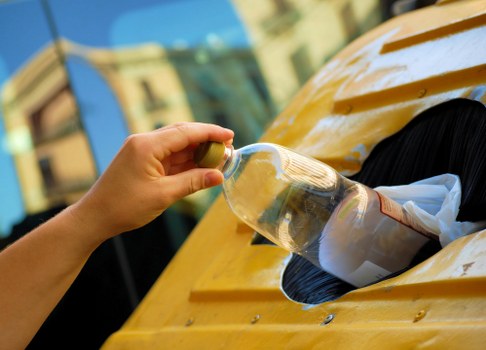 At Greenwich Skip Hire we place the planet at the centre of our skip service. As a local provider of skip hire in Greenwich and neighbouring boroughs, our focus is on creating an eco-friendly waste disposal area model that reduces landfill, supports reuse and integrates with the boroughs' approach to household and construction waste separation. We combine practical on-site sorting with partnerships and logistics designed to keep materials moving back into the economy rather than into waste sites.
Our sustainability strategy sets clear, measurable goals. We have a public recycling percentage target of 85% diversion from landfill by 2028 across all skip streams — general, green, mixed and construction. This target covers both recovery and reuse: inert materials and hardcore are crushed for aggregate, timber is reclaimed for reuse or biomass, and metals are separated for recycling. Achieving this requires precise sorting at source and efficient transfer to local processing facilities.
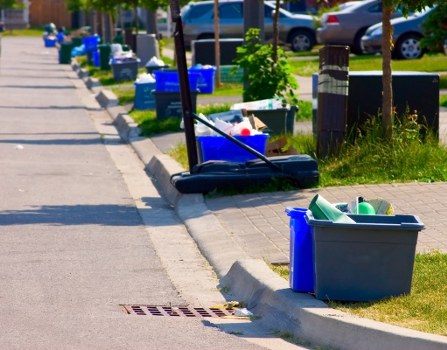
 The Royal Borough and surrounding councils typically operate a three-stream or four-stream system for household and small-scale commercial waste: organic/green bins, dry recyclables, glass and residual refuse. We work with these local collection approaches to ensure skips are clearly labelled and segregated so customers in Greenwich, Woolwich, Charlton and nearby areas can match skip contents with local recycling rules. This alignment reduces contamination, improves quality of recyclable loads and supports borough recycling targets.
Local Transfer Stations and Material Flow
We consolidate loads and use regional local transfer stations to maintain a low-impact transport footprint. Materials collected in our skips are routed through authorised transfer stations across the Royal Borough of Greenwich and neighbouring east London facilities, where items are sorted, baled and sent to specialist processors. Using transfer stations reduces long-haul movements and increases throughput to recycling centres, anaerobic digestion plants for organics and separation facilities for mixed construction waste.
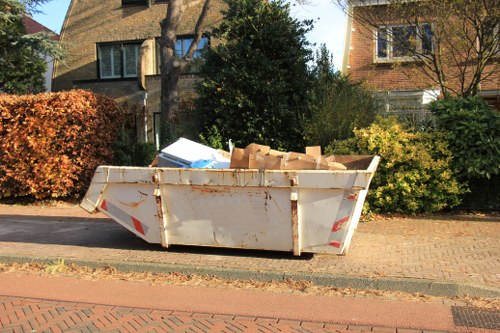 Our logistics planning includes frequent, smaller transfers rather than large, infrequent hauls. This supports our emissions reduction plan and allows rapid diversion of reusable items — furniture, fixtures and fittings — to partners and reuse networks. We prioritise materials with high circular value and ensure that bulky household items that are still serviceable are kept out of the waste stream.
To give a clear picture of what we process, our typical recycling streams include:
- Metals: ferrous and non-ferrous separated for smelting and reuse.
- Timber and wood: reclaimed, chipped for biomass or repurposed.
- Hardcore and concrete: crushed and reused as sub-base aggregate.
- Plasterboard: separated to reduce gypsum contamination.
- Mixed household recyclables: collected to match borough bin systems.
Partnerships with Charities and the Circular Economy
We have active partnerships with local charities and social enterprises to extend the life of items recovered from our skips. Charity partnerships are central to our sustainable rubbish area approach — functional furniture, usable textiles and working appliances are collected and diverted to independent charities for resale or redistribution. This collaborative model reduces carbon and supports community reuse schemes across Greenwich and neighbouring boroughs.
 Where items are not suitable for reuse, we ensure materials go to certified recyclers rather than landfill. Our agreements with community groups include regular pickups, item triage and transparent reporting so donors and customers can see the impact. In addition to charitable reuse, we support social value through training programmes run by partner organisations that teach repair and upcycling skills.
 Our fleet includes a growing number of low-carbon vans and low-emission vehicles used for local deliveries and small skip lifts. The roll-out of electric and hybrid vans is part of a phased strategy to decarbonise operations: route optimisation software, smaller and more frequent loads, and regenerative driving practices all reduce fuel consumption and emissions. We monitor fleet emissions and publish progress against our carbon reduction commitments.
Transparency is key to our sustainable skip hire service. We provide customers and stakeholders with data on recycling rates, residue levels and where materials are sent post-transfer. By aligning with borough recycling schemes and operating a network of transfer stations and processing partners, we make sure that waste collected in our skips becomes a resource — not a burden.
Practical benefits of choosing a sustainable rubbish area provider include lower disposal costs through higher recovery rates, reduced site contamination, and measurable social value through charity partnerships. For construction and demolition projects in Greenwich, our segregated skips enable contractors to meet planning and sustainability conditions more easily and demonstrate compliance with local waste management policies.
Greenwich Skip Hire is committed to continuous improvement: from achieving our 85% recycling target to expanding low-carbon logistics and deepening charity partnerships. By prioritising an eco-friendly waste disposal area and a robust, local recycling network, we help the borough move towards a genuinely circular approach to waste and materials management.