Everything You Need to Know About Skip Permits in Greenwich
Managing waste and ensuring that construction sites remain clean and safe is a critical concern in Greenwich. One effective solution is obtaining a skip permit, which allows residents and businesses to dispose of large quantities of waste responsibly. This comprehensive guide will explore everything you need to know about skip permits in Greenwich, from the application process to the regulations you must follow.
Whether you're planning a home renovation, a garden project, or managing a commercial site, understanding skip permits can save you time, money, and hassle. We'll delve into the types of skips available, the cost factors, and the legal requirements specific to Greenwich. By the end of this article, you'll have a clear understanding of how to navigate the skip permit process with ease.
Let’s start by exploring what a skip permit is and why it might be necessary for your project.
What is a Skip Permit?

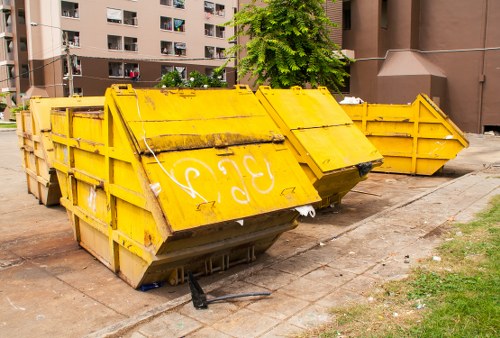
A skip permit is an official authorization that allows you to place a skip (a large waste container) on public land, such as streets or pavements, temporarily. In Greenwich, skip permits are regulated by the local council to ensure that waste disposal does not negatively impact the community or the environment.
Having a skip on public land without a permit can lead to fines and the removal of the skip at your expense. Therefore, obtaining a skip permit is essential if you plan to place a skip in designated public areas.
There are several types of skips available, each suited to different kinds of waste and project sizes. Choosing the right type of skip is crucial for efficient waste management.
Types of Skips Available in Greenwich

Understanding the various types of skips can help you select the most appropriate one for your needs. Here are the most common skip types available in Greenwich:
- Mini Skips: Ideal for small projects such as minor home renovations or garden clean-ups. They typically hold up to 2 cubic yards of waste.
- Midi Skips: Suitable for medium-sized projects, holding around 4 cubic yards of waste.
- Builders Skips: Perfect for larger construction sites, these skips can hold up to 8 cubic yards.
- Roll-On/Roll-Off Skips: These are larger skips that require special delivery and pick-up arrangements, suitable for extensive projects.
Choosing the right skip size not only ensures that you have adequate space for your waste but also optimizes costs associated with the permit and skip rental.
Next, we'll look at the application process for obtaining a skip permit in Greenwich.
How to Apply for a Skip Permit in Greenwich
The process of obtaining a skip permit in Greenwich is straightforward but requires careful attention to detail to ensure compliance with local regulations. Here’s a step-by-step guide to help you through the application process:
- Determine the Need for a Permit: Not all skip placements require a permit. If you're placing a skip on public land, a permit is typically necessary.
- Select the Appropriate Skip Size: Based on your project's size, choose the skip that best fits your needs.
- Choose a Licensed Skip Provider: Ensure that the company you select is licensed and operates within Greenwich. They often assist with the permit application.
- Submit the Application: Fill out the required forms, providing details about the skip placement location, duration, and purpose.
- Await Approval: The local council will review your application. Approval times can vary, so it's advisable to apply well in advance of your project.
- Post the Permit: Once approved, display the permit number on the skip as required by council regulations.
Timely application and adherence to guidelines will ensure a smooth permit acquisition process, allowing your project to proceed without unnecessary delays.
Now, let's discuss the costs associated with skip permits in Greenwich.
Costs of Skip Permits in Greenwich
The cost of obtaining a skip permit in Greenwich can vary based on several factors, including the size of the skip, the duration of its placement, and the specific location. Here’s a breakdown of the typical costs you might encounter:
- Permit Fees: These are the fees charged by the local council for granting the permit. They can range from £50 to £150 depending on the skip size and placement area.
- Skip Hire Costs: The cost of renting the skip itself varies by size. Mini skips may cost around £100, while Builders skips can be upwards of £300.
- Placement Charges: Some areas may have additional charges based on the complexity of the placement location, such as restricted access or needing special permissions.
- Waste Disposal Fees: Depending on the type and amount of waste, additional fees may apply for its proper disposal.
It’s important to get a detailed quote from your skip provider, inclusive of all potential costs, to avoid any unexpected expenses during your project. Budgeting for these costs will help ensure that your waste management plan remains financially feasible.
Understanding the financial aspect is crucial, but equally important is adhering to the regulations set forth by the Greenwich council.
Regulations and Compliance
Greenwich Council Regulations
The Greenwich council has specific regulations governing the placement and use of skips to maintain public safety and environmental standards. Compliance with these rules is essential to avoid penalties. Key regulations include:
- Placement Areas: Skips can only be placed in designated areas unless special permission is obtained.
- Permit Display: The permit number must be clearly displayed on the skip to indicate authorization.
- Time Limits: There are restrictions on how long a skip can remain on public land, typically ranging from 7 to 28 days.
- Prohibited Waste: Certain types of waste, such as hazardous materials, cannot be disposed of in skips and must be handled separately.
Non-compliance with these regulations can result in fines, additional fees, or the removal of the skip at your expense. Therefore, it's imperative to familiarize yourself with these rules before proceeding with your skip placement.
Environmental Considerations
Greenwich places a strong emphasis on environmental protection, and proper waste disposal is a key component of this effort. Here are some environmental considerations to keep in mind:
- Recycling: Wherever possible, ensure that recyclable materials are separated and disposed of appropriately.
- Hazardous Waste: Items such as chemicals, asbestos, and electronics require specialized disposal methods. Do not place these in regular skips.
- Waste Minimization: Reduce the amount of waste generated by planning your project efficiently and reusing materials when possible.
Adhering to these environmental guidelines not only helps protect Greenwich’s natural resources but can also contribute to cost savings by reducing the volume of waste handled.
Next, let's explore the benefits of using skip permits for waste management.
Benefits of Using Skip Permits
Obtaining a skip permit in Greenwich offers numerous advantages that can significantly enhance the efficiency and effectiveness of your waste management strategy. Here are some key benefits:
- Legal Compliance: Ensures that you adhere to local laws and avoid potential fines or legal issues.
- Convenience: Provides a centralized solution for disposing of large amounts of waste, saving time and effort.
- Environmental Protection: Facilitates proper waste segregation and disposal, contributing to sustainability efforts.
- Cost-Effective: Prevents accidental fines and reduces the need for multiple smaller waste pickups.
- Safety: Keeps your project site clean and reduces the risk of accidents caused by scattered debris.
These benefits make skip permits an essential component of any project that involves substantial waste generation. By leveraging these advantages, you can ensure that your project runs smoothly while maintaining high standards of cleanliness and environmental responsibility.
Now, let's address some common questions about skip permits in Greenwich.
Frequently Asked Questions (FAQs)
Do I always need a skip permit in Greenwich?
No, not always. If you plan to place a skip on private property, such as your driveway or garden, you typically do not require a permit. However, for skips placed on public land, a permit is necessary.
How long does it take to get a skip permit?
The approval time for a skip permit in Greenwich can vary, but it usually takes between 24 to 72 hours. It’s advisable to apply well in advance to avoid any delays in your project.
Can I place a skip anywhere in Greenwich?
Skip placement is subject to local council regulations. You must place the skip in designated areas or obtain special permission for specific locations. Always consult with your skip provider and the council to determine suitable placement areas.
What types of waste are prohibited in skips?
Hazardous materials such as asbestos, chemicals, batteries, and certain electronics are prohibited from being disposed of in regular skips. These require specialized disposal methods.
What happens if I don't display my skip permit?
Failure to display your skip permit can result in fines and the removal of the skip at your expense. Ensure that the permit number is clearly visible on the skip at all times.
Choosing the Right Skip Provider in Greenwich
Selecting a reliable skip provider is crucial for a hassle-free experience. Here are some factors to consider when choosing a skip hire company in Greenwich:
- Licensing and Permits: Ensure the provider is licensed and can assist with obtaining the necessary permits.
- Range of Skip Sizes: A good provider offers a variety of skip sizes to suit different project needs.
- Price Transparency: Look for providers who offer clear and detailed pricing without hidden fees.
- Customer Service: Responsive and helpful customer service can make the process smoother.
- Flexible Rental Periods: Choose a provider that offers flexible rental durations to accommodate your project timeline.
By considering these factors, you can select a skip provider that meets your needs and ensures a smooth waste management process for your project in Greenwich.
Finally, let's wrap up with some tips for effective skip usage.
Tips for Effective Skip Usage
To maximize the efficiency and benefits of your skip permit in Greenwich, consider the following tips:
- Plan Ahead: Assess your project’s waste generation to choose the appropriate skip size and rental period.
- Sort Your Waste: Separate recyclables, non-recyclables, and hazardous materials to streamline disposal.
- Avoid Overfilling: Adhere to the skip’s weight limit to prevent fines and ensure safe transportation.
- Secure the Skip: Ensure that the skip is placed securely to prevent tipping or unauthorized access.
- Maintain Access: Keep the area around the skip clear to allow for easy loading and skip removal.
Implementing these practices will enhance your waste management strategy, making your project more efficient and environmentally friendly.
In conclusion, obtaining a skip permit in Greenwich is a straightforward process that offers significant benefits for managing waste effectively. By understanding the types of skips, adhering to local regulations, and choosing the right provider, you can ensure a smooth and compliant waste disposal process.
Contact us today to learn more about skip permits in Greenwich and book your skip service now!